
A building project rarely fails because of one catastrophic mistake. More often, it slips a week at a time, as equipment sits idle waiting for a permit, or a permit expires while the right machine is still weeks out from delivery. For homeowners and business owners planning a renovation, expansion, or new build, understanding how these two moving pieces interact can mean the difference between a project that finishes on schedule and one that drags on for months. This article breaks down the common friction points between equipment logistics and permitting timelines, and what you can do to keep both moving together.
Permit Approval Delays and Their Ripple Effect on Equipment Scheduling
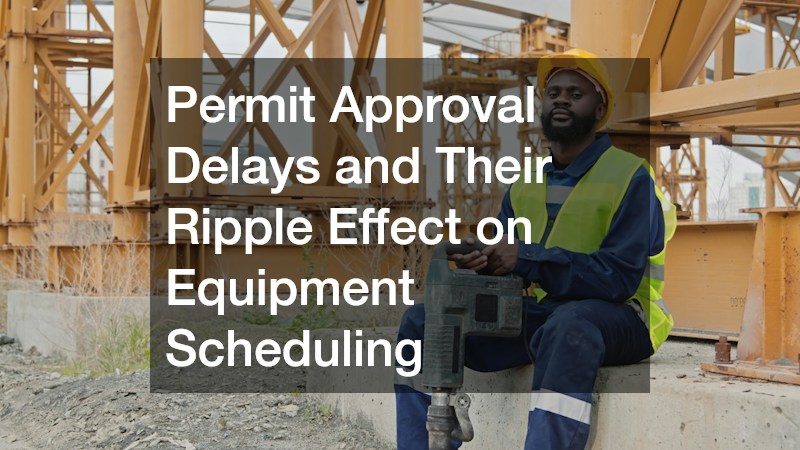
Permits are rarely a single approval. They often involve multiple agencies, each with its own review timeline, and a delay in one can stall the entire sequence. When a permit for excavation or grading gets held up, any equipment reserved around that date starts costing money without doing any work. This is especially painful with specialized machinery that has to be booked weeks in advance and cannot simply be released without a cancellation fee.
The problem compounds when contractors assume permits will clear on a standard timeline, only to find a jurisdiction backlogged by weeks. Booking an excavator rental too early, before permits are confirmed, often means paying for idle days or scrambling to extend the rental period at a higher rate. Smart project planning builds in a buffer between expected permit approval and equipment delivery dates, rather than scheduling them to arrive on the same day.
Site Preparation Requirements That Depend on Local Zoning Rules
Before any digging or structural work begins, most municipalities require proof that the site meets zoning and setback requirements. These rules affect not just where a structure can sit, but what temporary structures and equipment can occupy the lot during construction. A project that hasn’t confirmed its zoning compliance can find itself unable to bring in heavy machinery at all, even after paying for delivery.
Temporary buildings used for storage or staging during construction also fall under these same zoning reviews in many areas. Hoop buildings, often used to shelter materials or equipment from weather on larger sites, sometimes require their own separate permit depending on size and intended duration of use. Skipping that step can mean a stop-work order right as the rest of the project is gaining momentum.
Utility Marking and Underground Infrastructure Checks
Before heavy equipment can break ground, utility companies typically need to mark the locations of underground gas, water, electric, and sewer lines. This process, often called a utility locate, can take anywhere from a few days to a couple of weeks depending on the region and the complexity of the site. Skipping or rushing this step risks not just project delays but serious safety hazards and liability.
Coordinating this step with permit timing matters because many jurisdictions won’t finalize an excavation permit until utility marking is complete. Project managers who treat this as a parallel task, rather than a sequential one, tend to avoid the worst scheduling conflicts. Building a few extra days into the schedule for re-marking, which is sometimes required if work doesn’t start within a certain window, also helps avoid surprises.
Structural Material Delays and Their Effect on Permit Validity
Permits for structural work often specify the materials and methods that were approved, which means a late-arriving shipment can create a mismatch between what was permitted and what’s actually being installed. This is common with specialized materials like composite metal decking, which is frequently used in commercial floor and roof systems because it combines steel strength with reduced weight. If the original spec changes due to a supply delay, the permit may need to be amended before work can continue.
Revising an approved permit, even for a minor material substitution, can take longer than people expect because it often goes back through the same review queue as the original application. Contractors who flag potential material delays early, before the permit is finalized, have more flexibility to adjust specifications without restarting the clock. Waiting until materials are already behind schedule to raise the issue almost always costs more time than addressing it upfront.
Demolition Timing and Debris Removal Coordination
Projects involving teardown or renovation of an existing structure introduce another layer of permitting, since demolition often requires its own separate approval tied to asbestos testing, utility disconnection, and waste disposal plans. Asbestos surveys alone can take one to three weeks to schedule and complete, longer if the lab is backed up or if initial samples come back inconclusive and require retesting. Utility disconnection adds its own lag, since gas, electric, and water providers each have to send crews to cap or remove service before a demolition permit will be signed off. Demolition contractors typically can’t begin work until all of these clearances are in place, even if the general building permit has already been issued. Equipment scheduled for a specific start date, such as an excavator or debris hauling trucks booked a week in advance, sits idle if asbestos clearance or utility sign-off hasn’t come through yet.
That idle time still costs money, since rental fees and crew wages accrue whether or not the equipment is actually being used. Debris removal brings a related wrinkle, since many municipalities require a separate waste disposal plan specifying how much material will be generated, where it’s headed, and how it will be hauled. Some jurisdictions also cap how long a dumpster or debris container can legally sit on a residential street without its own permit, which can force last-minute scrambling if removal runs longer than expected. That sequencing catches a lot of property owners off guard, since they assume one permit covers the whole project. In reality, a single renovation can involve three or four interlocking approvals, each with its own review timeline and its own chance of getting delayed.
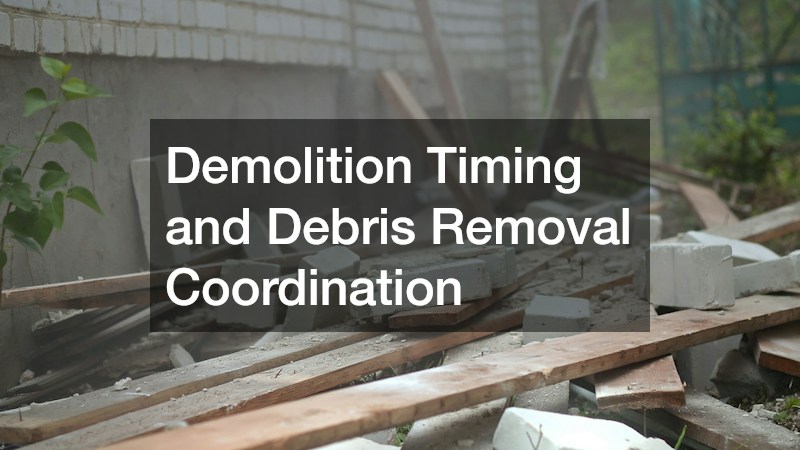
Once demolition is underway, managing the resulting debris becomes its own logistical challenge. Scheduling a roll off dumpster rental in advance, timed to arrive as demolition starts rather than after, keeps material from piling up on site in a way that can violate local code or block equipment access. A mid-sized interior demo can fill a 30-yard container in a day or two, so ordering the right size matters as much as ordering it early. Permit requirements add another layer worth checking before the dumpster shows up. Many municipalities require a separate permit for placing a roll off container on a street or public right-of-way, and that approval can take several business days to process. If the demolition permit and the dumpster placement permit aren’t pulled on the same timeline, crews can end up with nowhere compliant to put debris even though the demolition itself is cleared to proceed. Coordinating the dumpster delivery and pickup schedule with the demolition contractor’s timeline avoids the common problem of a full container sitting untouched because pickup wasn’t arranged in time. On larger jobs, this often means scheduling multiple swaps rather than a single rental, with a second or third container arriving as soon as the first is hauled away. Building in a buffer of a day or two between anticipated fill-up and scheduled pickup also helps absorb delays without stalling the crew.
Jobsite Sanitation and Worker Facility Code Requirements
Many people don’t realize that jobsite sanitation facilities are actually governed by occupational safety codes, not just general courtesy toward the crew. Projects of a certain size or duration are legally required to provide adequate facilities for workers, and inspectors can flag a site that doesn’t meet this standard. Arranging construction porta potty rental early in the planning process, rather than as an afterthought once crews are already on site, prevents a compliance gap that can actually hold up inspection sign-off.
The number of units required typically scales with crew size and project length, and local codes sometimes specify minimums that catch first-time project owners by surprise. Placement also matters, since units need to be accessible but out of the way of equipment staging areas and material deliveries. Planning this alongside the broader site logistics avoids a last-minute scramble when an inspector asks about facilities that were never arranged.
Drain and Sewer Line Inspections Before Final Occupancy
Toward the end of a commercial project, local code often requires proof that plumbing and drainage systems are functioning properly before an occupancy permit is issued. This is where many timelines hit an unexpected snag, because drain testing sometimes reveals blockages or construction debris left in lines during the building phase. Bringing in commercial drain cleaning companies before the final inspection, rather than waiting for a failed test to force the issue, keeps this step from becoming a last-minute crisis.
Scheduling this service too late in the project is one of the most common and avoidable causes of delayed occupancy. Lines need to be clear well before the inspector arrives, since a failed test often means rescheduling the inspection itself, not just the repair. Building drain inspection and cleaning into the project timeline as a defined milestone, rather than an assumed afterthought, keeps the final stretch of the project on track.
Workplace Relocation Timing Around Construction Milestones
For businesses renovating an occupied space or relocating operations during construction, the moving schedule has to be coordinated just as carefully as the permits and equipment. Corporate moving timelines depend on knowing exactly when a space will be ready, and that date can shift significantly if permits or inspections are delayed upstream. Businesses that lock in a moving date too early sometimes find themselves paying for storage or temporary space while waiting on a punch list to clear.
The safer approach is to treat the moving date as a milestone that depends on confirmed project completion, not a fixed point set months in advance. Building in a flexible window, with the moving company able to shift by a few days without major rebooking fees, protects against the kind of schedule slippage that’s common even in well-managed projects. Clear communication between the contractor and the relocation team reduces the chance of a business sitting unable to operate in either its old or new space.

Legal Exposure When Construction Delays Cause Property or Injury Claims
Extended construction timelines don’t just cost money, they can create liability exposure that property owners don’t always anticipate. Open excavation sites, idle equipment, and temporary structures left in place longer than planned all increase the chance of an accident involving a worker, visitor, or passerby. When an injury does occur on a prolonged jobsite, a personal injury law firm is often the first call for the injured party, and the property owner’s insurance and permitting records become central to how liability gets sorted out.
When equipment sits idle on a site because a permit lapsed, or when a crane stays parked past its inspection window, the gap between what’s authorized and what’s actually happening on the ground widens. That gap is exactly where liability tends to concentrate. A pedestrian injured near an unmarked excavation, a neighboring property damaged by vibration from machinery operating outside its approved window, or a worker hurt because a safety barrier was never reinstalled after a schedule change can all turn into costly claims. Personal injury lawyers frequently point to inadequate site signage, expired permits, or missing safety barriers as contributing factors in these cases. In practice, this means plaintiffs’ attorneys will request permit histories, inspection logs, and equipment maintenance records as part of discovery.
If those records show a permit expired weeks before an incident, or that equipment was used without the required inspection sign-off, it becomes far easier to argue negligence. The financial exposure isn’t limited to settlements or judgments. Insurance carriers may deny coverage outright if a claim arose while a project was operating without a valid permit, leaving the property owner or contractor to cover damages personally. Regulatory fines for operating equipment past an inspection deadline can stack on top of any civil liability, turning a scheduling oversight into a multi-front financial problem.
Property owners who document compliance at every stage, rather than relying on memory after the fact, put themselves in a far stronger position if a dispute ever arises. That documentation should include timestamped photos of signage and barriers, copies of current permits posted on-site, and a running log of inspection dates tied to specific equipment. Even a simple shared spreadsheet, updated as each milestone clears, can make the difference between a quick resolution and a prolonged legal fight.
Project delays rarely come from one dramatic failure. They build up from small misalignments between permits, equipment, and the dozens of logistical details in between. The most reliable way to protect your timeline is to treat permitting and equipment scheduling as interdependent from day one, rather than two separate tracks that happen to run alongside each other. Before your next project begins, map out every approval and every delivery against a single shared calendar, and revisit it often as conditions change.
